In today's post I wanted to talk about a part of the song that prominently features the drums, the aptly named shout section! This is generally the climax of an arrangement, and is usually the spot where a drummer is given space to cut loose. Although the conventions of the shout section were developed in big bands, the same ideas can apply to smaller ensembles. The following are some good general strategies and ideas for playing a great shout.

1. Study the greats
You may notice that I almost always bring this up whenever I am talking about learning the drums. That is because not listening to the music you want to play and then expecting it to sound great is like expecting to be able to write poetry if you were raised by a pack of wolves. How would you even know where to begin? You have to have a frame of reference, a sound in your ear, before you can really aspire to produce anything great.
I mentioned this in an earlier post, but every great drummer in the history of the instrument has spent a considerable amount of time just trying to absorb what previous drummers have done. If you still need convincing, here is how the great Tony Williams put it:
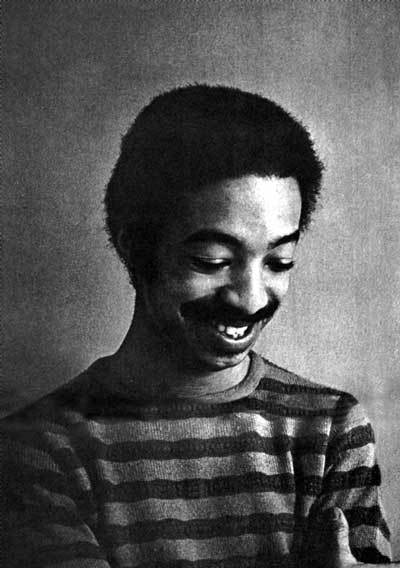
"You know the reason I play the way I do is because, when I first
started playing, all I ever wanted to do was to sound like Max Roach,
was to sound like Art Blakey, was to sound like Philly Joe Jones, was to
sound like Louis Hayes, was to sound like Jimmy Cobb, was to sound like
Roy Haynes. I really wanted to figure out why they sounded the way they
did. I wasn’t interested in my own style. So I set about playing like
these guys religiously, and playing their style because it was just such
a wonderful, magical experience."
That being said, here is a classic example of some great drummers playing great shout sections to get you started:
-Mel Lewis on "The Groove Merchant" (starts around 7:26)

