 |
| She really is a boss |
Food For Thought
This series of posts is all about trying to approach music in a new way. In my last post in Food for Thought, I discussed some alternate possibilities to always playing head-solo-head. In today's post I am going try to get some inspiration from a source entirely outside of the world of music.
The Rules of Improvisation
My wife (an improv enthusiast and the source of the link to the left) and I sometimes have conversations about the similarities between improv comedy and improvised music. So today's ideas come from these conversations as well as a somewhat unexpected source, Tina Fey's new book "Bossypants". The entire book is hilarious, but the thing that really caught my attention were her "rules of improvisation". I will share these rules with you and try to highlight how these same rules apply to jazz drumming.
1. Always Agree
The underlying idea to this rule is that in order for improv to work, you have to "respect what your partner has created". This builds up a foundation of trust so that a group can work together and create something.
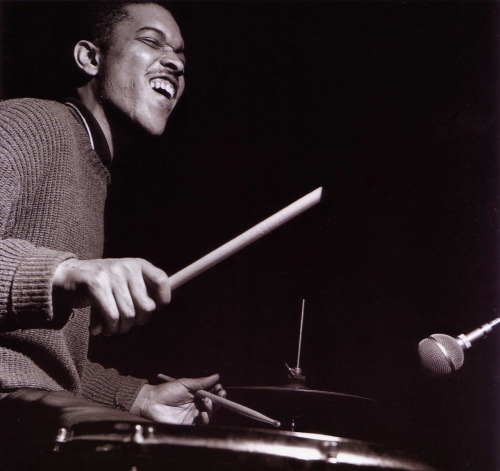 |
| Our man Higgins |
When I think of drummers who could "always agree" and uplift a band with their beautiful attitude, Billy Higgins springs to mind. This man was a living example of "always agreeing", and this ability of his allowed him to play a stunning range of music, from straight-ahead to avant-garde and everything in between.
